
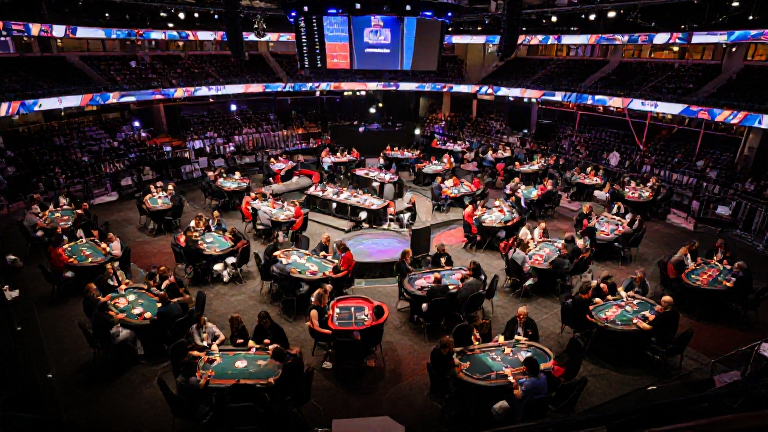
Poker didn't have a comeback, it just went online and got bigger
Poker's growth isn't about nostalgia. Online platforms, crypto buy-ins, and freeroll tournaments created a new generation of players. Here's what's driving it.
Table of Contents
The $6.27 billion question
Poker's global market hit $6.27 billion in 2025. People act surprised by that number, but I'm not. I've been playing online poker for years and the trajectory has been obvious. The game didn't have some sudden revival. It migrated to a format where the barriers that used to keep people out, location, schedule, intimidation, basically disappeared.
When I started, playing poker meant driving to a casino or knowing someone who hosted a home game. Now I can open a tab, deposit some Bitcoin, and be seated at a table in under a minute. That shift alone explains most of the growth.
Accessibility isn't just a buzzword here
I play most of my sessions between 10 PM and midnight. That window didn't exist in the old model. Casinos might be open, but good tables at those hours were hit or miss, and the drive home after a late session was its own kind of gamble.
Online poker rooms run around the clock. At 2 AM on a Tuesday, I can still find active cash games and tournament lobbies filling up. For people with day jobs, family obligations, or just unpredictable schedules, that flexibility is the difference between playing poker regularly and playing it twice a year.
Crypto poker rooms on platforms like Stake take this further. No bank approval needed for deposits. No five-day waiting period for withdrawals. I fund my account with ETH, play for two hours, and if I'm up, I can have profits back in my wallet before I go to sleep. The Stake poker section runs multi-table tournaments that I can satellite into from my phone while sitting on my couch.
Tournaments created a new on-ramp
Freeroll tournaments are probably the single biggest driver of new player acquisition and nobody in the poker media talks about them enough. A freeroll costs nothing to enter and offers real prize pools. For someone who has never played competitively, that's an incredibly low-risk way to experience tournament poker.
I've seen players who started in freerolls work their way up to mid-stakes cash games within a year. The skill development happens fast when you're playing 200+ hands per session instead of the 30 you'd see at a live table in the same time frame.
The variety of tournament formats helps too. Sit-and-go tables for quick sessions. Scheduled multi-table tournaments for longer grinds. Satellite events that can turn a $5 buy-in into a seat at something much bigger. That range keeps different types of players engaged rather than forcing everyone into the same format.
Why crypto poker rooms are pulling ahead
I have specific opinions about this and they come from direct comparison.
Speed of play. Crypto poker rooms process transactions faster than fiat ones. When I register for a tournament on a fiat platform, the deposit might take an hour to clear. On a crypto platform, it's confirmed in minutes. That's not a small difference when you're trying to register for a tournament that starts in fifteen minutes.
Anonymity. Some players prefer not to attach their real banking information to a poker site. Crypto wallets offer that separation naturally. I'm not hiding anything, but I appreciate not having my bank statement show seven transactions to poker platforms every month.
Lower fees. Fiat payment processors take their cut on every deposit and withdrawal. Crypto transactions have fees too, but they're generally lower, especially on networks like Litecoin or Tron. Over a year of regular play, those savings add up.
You can browse all crypto casinos to find which ones have the deepest poker offerings. Not every crypto platform prioritizes poker, some focus more on slots or sports betting.
The celebrity thing is real but overstated
Yes, Ben Affleck plays poker. Yes, that generates headlines. But celebrity involvement isn't why the game is growing. It creates momentary attention spikes that bring curious newcomers to the tables, and some of those newcomers stick around. The retention comes from the game itself being genuinely good, not from star power.
What actually keeps players coming back is the skill component. Poker is one of the few casino activities where getting better at it measurably improves your results over time. Slots don't work that way. Roulette doesn't work that way. Poker rewards study and practice, and that feedback loop is addictive in the best sense.
If you're looking for variety between poker sessions, games like Hundreds and Thousands at 96.52% RTP offer a different kind of entertainment. But for people who want their decisions to matter, poker remains unmatched.
Trust and security keep the ecosystem healthy
I won't play on a platform I don't trust with my money. Period. That's a bar every poker room has to clear, and the ones that invest in proper licensing, two-factor authentication, and transparent terms are the ones that keep players.
Crypto poker rooms have an interesting advantage here: provably fair dealing. If I can verify on-chain that the deck shuffle was genuinely random, that's a stronger guarantee than any fiat platform's claim that they use a certified RNG. I can't audit their RNG. I can audit a blockchain.
For players comparing options, the comparison tool lets you evaluate security features, payment methods, and game selection side by side. Trust shouldn't be assumed from branding alone.
This growth has legs
Poker isn't growing because of a fad. It's growing because the infrastructure finally matches the demand. People always wanted to play poker conveniently, anonymously, and at any hour. Technology and crypto payments made that possible. The $6.27 billion market valuation is a trailing indicator of changes that have been building for years.
The next wave will probably come from mobile-first platforms that treat the phone as the primary device rather than an afterthought. That's already happening in crypto poker rooms, and it's pulling in demographics that traditional poker media doesn't even track yet.

Crypto Gaming DB editorial contributor.
Continue Reading
I've been on tilt more times than I'll admit, here's what actually helps
Practical mental strategies for handling losing streaks in crypto poker and casino games, from bankroll rules to emotional pattern recognition.
Your bankroll management is probably wrong, and it's costing you sessions
Practical crypto casino bankroll management strategies that keep your play sustainable and your budget intact.
Genius Sports vs LSports: what crypto sportsbooks should actually care about
A practical comparison of Genius Sports and LSports data APIs for operators building crypto sports betting platforms.