
What poker grinders actually do when the tables dry up
When high-stakes poker liquidity disappears between series, some pros turn to crypto casino games to stay active. Here's why.
Table of Contents
The gaps nobody warns you about
When I started taking poker seriously, I assumed the games would always be there. Log in, find a table, play. That was true for a while. It isn't anymore.
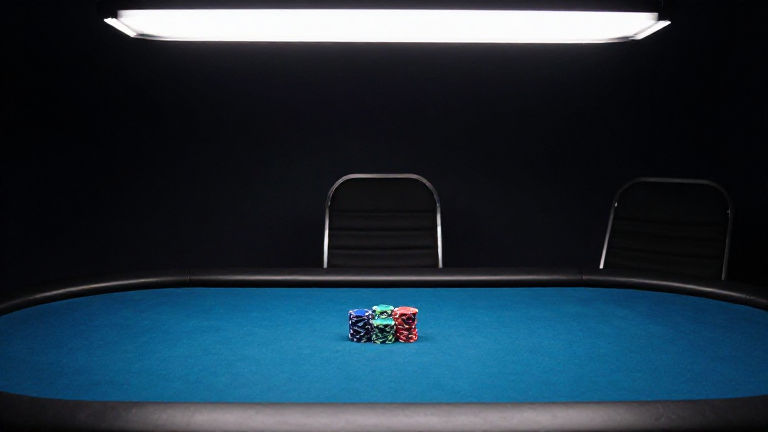
High-stakes poker liquidity has become patchy. Tournament series cluster together, creating intense bursts followed by dead weeks. Cash games at higher stakes depend on specific players being online at specific hours. Miss the window and you're staring at an empty lobby for the rest of the night.
The new rhythm of high-stakes play
The poker calendar now revolves around major live stops and online series. Between those events, many pros are traveling, studying hand histories, or just waiting. The games that do run during off-peak hours often lack depth. You might find a table, but it's four regulars playing tight, and the expected hourly rate is barely worth the mental effort.
I've had weeks where I opened Stake poker every evening, checked the lobby, and closed it again. Not because the platform was lacking. The players just weren't there. Time zones, tournament schedules, and the general rhythm of the year create structural downtime that didn't exist five years ago.
So what do people actually do?
Some players study. Some play lower stakes to stay sharp. And some, honestly, spin slots.
That last one surprises people, but it makes more sense than it sounds. When you're used to making decisions under uncertainty for 8 hours a day and suddenly there's nothing to decide, the absence is uncomfortable. Slots don't require table selection, don't depend on opponents showing up, and resolve immediately. You're not trying to outplay anyone. You're just passing time in a format that runs 24/7.
Allen "Chainsaw" Kessler has talked openly about significant slot wins during periods when poker was thin. He's not confused about the difference between skill and variance. He just likes having something to do when the poker tables aren't cooperating.
The crypto angle changes things
In the old days, switching from poker to casino games meant walking to a different section of a physical casino. Now it's a single click. Platforms like Stake run both poker and casino games under one account, one balance, one crypto wallet.
That integration matters. If I'm already logged in waiting for a poker table to fill, games like 20 Super Hot or 5 Fortune Dragons are right there. The Bitcoin I deposited for poker works for everything else. No separate accounts, no fiat conversion, no waiting.
I'm not saying this is always a good thing. The ease of switching from a +EV game to a -EV game deserves real thought. But for someone who has already set their bankroll limits and is just looking to stay entertained for an hour, the convenience is hard to argue with.
Slots as a reset button
Here's something I didn't expect: playing slots between poker sessions actually helps my poker. Not because slots teach me anything strategic. They don't. But the mental reset of doing something completely passive after hours of intense decision-making has value.
Poker requires constant evaluation. Every hand is a decision tree. After a long session, my brain is fried. Spinning a few rounds of 40 Super Hot for 15 minutes is the gambling equivalent of watching a mindless TV show after a stressful day at work. It lets my brain decompress before I sit back down at a table.
The bankroll discipline question
The obvious concern is bankroll contamination. If your poker bankroll and your slot budget share the same wallet, one bad session on high-volatility slots can eat into your buy-ins for the week.
I keep them separate. My poker bankroll lives in one wallet. My "entertainment" budget, which covers slots, casino games, and live dealer stuff, lives in another. If the entertainment wallet hits zero, I don't touch the poker funds. Period.
Most pros I know who dabble in casino games during downtime have a similar system. The ones who don't tend to have stories they'd rather not tell.
It's about availability, not preference
Nobody I know is quitting poker to become a slot grinder. The shift is purely practical. Poker requires other players. Slots don't. When the tables dry up between major events, the choice isn't between poker and slots. It's between slots and doing nothing.
For a personality type that's wired for action, for people who chose gambling as a career because they can't sit still, "doing nothing" is surprisingly hard. The crypto casino ecosystem just makes it easier to fill those gaps without leaving the platform you're already on.
Whether that's a net positive depends entirely on your self-control. But pretending it doesn't happen would be dishonest. The tables dry up. People adapt. Sometimes adaptation looks like comparing casino options and spinning reels until the next series starts.

Crypto Gaming DB editorial contributor.
Continue Reading
I've been on tilt more times than I'll admit, here's what actually helps
Practical mental strategies for handling losing streaks in crypto poker and casino games, from bankroll rules to emotional pattern recognition.
Your bankroll management is probably wrong, and it's costing you sessions
Practical crypto casino bankroll management strategies that keep your play sustainable and your budget intact.
Genius Sports vs LSports: what crypto sportsbooks should actually care about
A practical comparison of Genius Sports and LSports data APIs for operators building crypto sports betting platforms.